What Can I And What Can I Not Take On a Flight
andy_ett ·
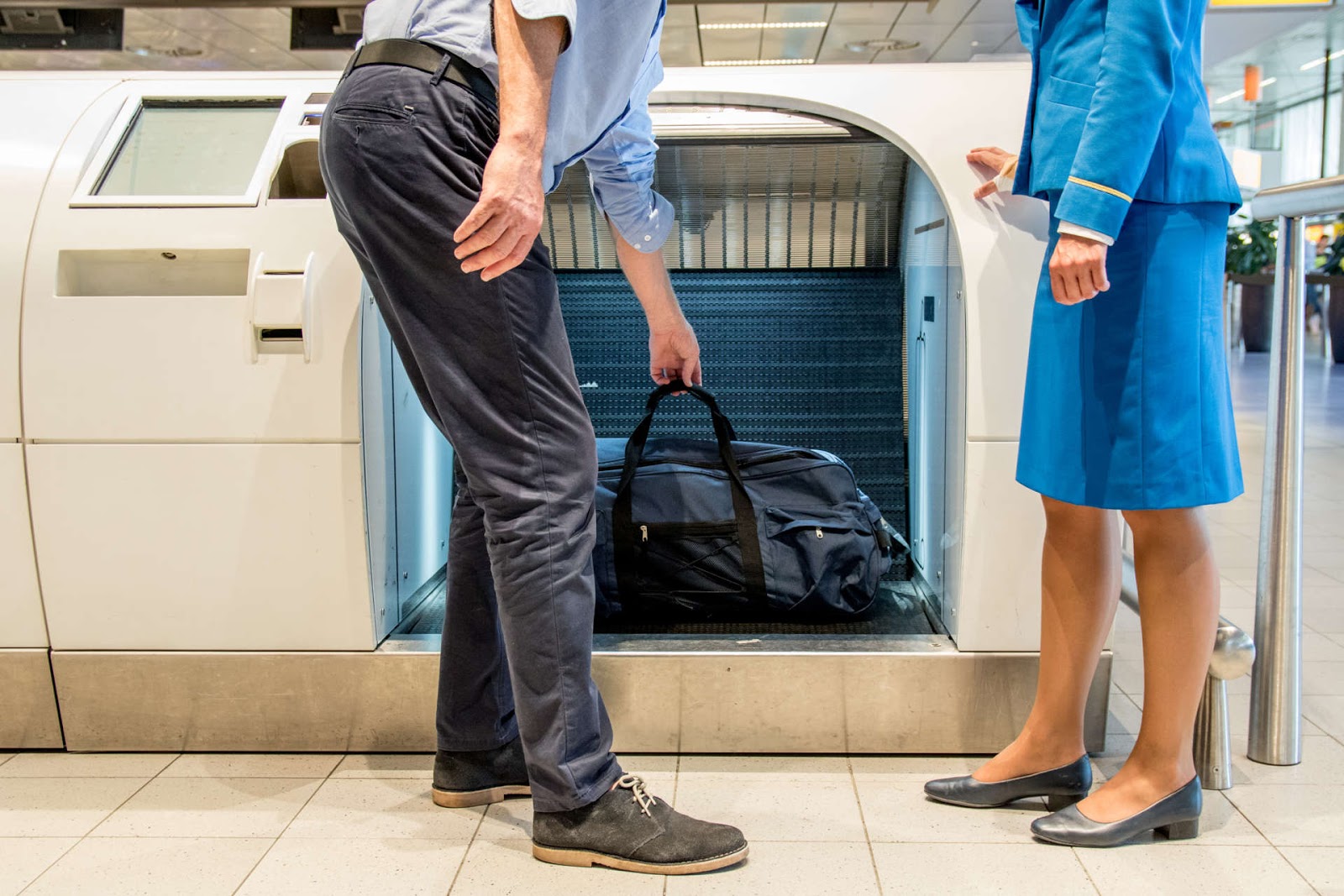 Day by day travelling byair is increasing and so is the nuisance value of the airport security. It is quite exasperating if at that juncture you end up having your coveted items being confiscated and disposed off just because you were not aware that those articles fell under a "not allowed" list. So the next time you plan a trip by air please ensure that you go through the checklist of the prohibited articles and update yourself to all the latest notifications of the Transportation Security Administration(TSA).Essentially, the bulletins that the TSA takes out are for the safety of the passengers and therefore, following such regulations help prevent any untoward incident. Considering all this, we suggest that you take the following precautions and pack the items categorized below in your baggage accordingly.
Items allowed in your hand-baggage:
Day by day travelling byair is increasing and so is the nuisance value of the airport security. It is quite exasperating if at that juncture you end up having your coveted items being confiscated and disposed off just because you were not aware that those articles fell under a "not allowed" list. So the next time you plan a trip by air please ensure that you go through the checklist of the prohibited articles and update yourself to all the latest notifications of the Transportation Security Administration(TSA).Essentially, the bulletins that the TSA takes out are for the safety of the passengers and therefore, following such regulations help prevent any untoward incident. Considering all this, we suggest that you take the following precautions and pack the items categorized below in your baggage accordingly.
Items allowed in your hand-baggage:
- Matches (one book of safety non-strike anywhere) and a common lighter.
- Electronic cigarettes but same cannot be used in the cabin.
- Small hand tools that don't have sharp cutting edges.
- Small scissors with a cutting edge less than four inches (10cm).
- Gels, liquids and Lotions-the rule 3-1-1 by TSA specifies that these by volume must be in a container that is 3.4 ounces (100ml) and not more.

- Baby Food
- Baby Formula
- Breast Milk
- Knives and cutting instruments except for plastic or round bladed butter knives.
- Sporting goods like a bats, hockey stick, ski poles, spear guns, golf clubs, etc.
- Firearms, their realistic replicas, ammunition, paintball guns and compressed air guns without their compressed cylinder attached.
- Tools more than 7 inches and power tools such as drills.
- Dry ice (frozen carbon dioxide) upto 4 pounds (1.8kgs) only if the package is vented.
- Flammable items except for aerosols used as personal care items, toiletries or medically related items.
- Matches--only a single book of safety (non-strike anywhere) matches are allowed in the passenger cabin.
- Explosives and incendiary materials.
- Gases and pressure containers.
- Oxidizers and organic peroxides.
- Radioactive materials.
- Magnetic materials.
- Infectious materials.
- Marijuana (cannabis).
- Other dangerous items like torch lighters, tear gas, spray paints, etc.