The Ultimate Travel Guide to Tokyo
Lukas ·
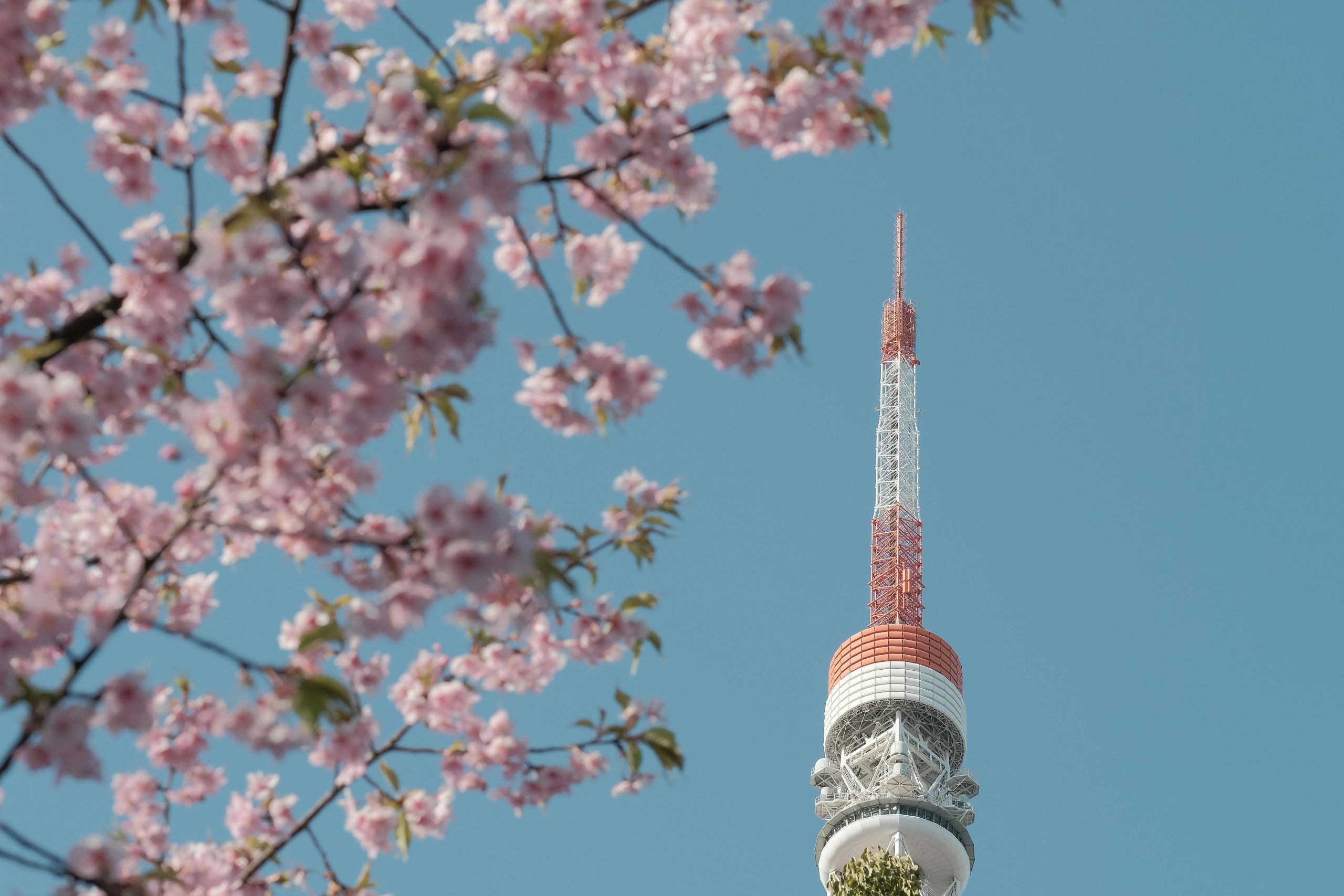
Introduction to Tokyo – A Dynamic Blend of Culture and Modernity
Tokyo stands as a dazzling metropolis where the ancient gracefully intertwines with the futuristic. This global city is renowned not only for its towering skyscrapers and technological marvels but also for its deep-rooted traditions and rich cultural heritage. From serene Shinto shrines and historic temples to bustling neon-lit streets and the latest in robotics, Tokyo encapsulates a unique duality that continues to captivate travelers. In this comprehensive guide, we will explore Tokyo’s must-see attractions—from the iconic Shibuya Crossing and historic Asakusa district to the ultramodern Odaiba waterfront. Beyond sightseeing, you’ll gain valuable insights into local customs and cultural etiquette to ensure respectful and rewarding interactions. Navigating Tokyo’s vast and highly efficient transit systems will become straightforward with practical advice on using Suica cards, essential for smooth travel across trains, buses, and even some shops. Additionally, this guide will delve into enriching day trip options to nearby destinations like Nikko and Hakone, offering a welcome contrast to the city’s fast pace. Seasonal highlights will also be featured, showcasing Tokyo’s captivating cherry blossoms in spring, vibrant festivals in summer, and the magical illumination displays in winter. Each season brings a distinctive charm, making every visit unforgettable. For travelers seeking the best value and confident planning, AirTtkt offers a powerful platform to discover affordable flights, hotels, and vacation packages tailored to your needs. With real-time fare comparison, exclusive discounts, and round-the-clock customer support, AirTtkt streamlines the booking process, helping you save money while gaining peace of mind. Whether you're a budget-conscious adventurer or a family seeking efficient travel solutions, AirTtkt empowers you to plan your Tokyo journey with ease and confidence.Tokyo’s Must-See Attractions – Iconic Sights and Visitor Tips
Senso-ji Temple: A Glimpse into Tokyo’s Ancient Soul
Located in the historic district of Asakusa, Senso-ji is Tokyo’s oldest and most revered Buddhist temple. Founded in the 7th century, it stands as a testament to Japan’s rich cultural heritage. Visitors begin their journey walking through the vibrant Nakamise Shopping Street, lined with traditional stalls selling souvenirs and local snacks, leading directly to the temple’s grand entrance. For first-time visitors eager to avoid the crowds, early mornings on weekdays—especially before 9 AM—offer a peaceful experience to admire the temple’s striking architecture and serene atmosphere. Allocate around 1 to 1.5 hours to explore the temple grounds fully, including the five-story pagoda, incense burners, and nearby smaller shrines where you can partake in prayer rituals.Shibuya Crossing: The Pulse of Urban Tokyo
Often billed as the world’s busiest pedestrian intersection, Shibuya Crossing epitomizes Tokyo’s bustling city life and modern energy. Watching hundreds surge across the wide intersection when the light turns green is a mesmerizing spectacle, symbolizing the city’s non-stop vibrancy. The best time to capture this iconic scene is during twilight or early evening when neon lights and advertisements illuminate the area, creating a dynamic backdrop for photography. Just steps away, you can explore Shibuya’s trendy shopping malls, such as Shibuya 109, or stop at cozy cafés and bars to recharge after the sensory overload.Tokyo Skytree: Panoramic Views Above the Cityscape
Towering at 634 meters, the Tokyo Skytree is not only a broadcasting tower but also an architectural marvel and a premier viewing platform. From its observation decks, visitors are treated to breathtaking 360-degree views of Tokyo and, on clear days, even Mount Fuji peeking in the distance. Choose tickets with access to both the Tembo Deck (at 350 meters) and the Tembo Galleria (at 450 meters) for the full experience, which includes a skywalk corridor angled to make you feel as if you’re walking in the clouds. To dodge the long waiting lines, purchase your tickets in advance through official channels. The best seasons for visiting are autumn and winter when clear skies enhance visibility.Smart Itinerary Tips: Maximizing Your First Day
Planning your first day in Tokyo to include these landmarks calls for strategic sequencing to balance cultural immersion with urban excitement.- Start early at Senso-ji Temple to soak in history while avoiding crowds.
- From Asakusa, take a short train ride to Shibuya to experience the vibrant city pulse around Shibuya Crossing by late afternoon.
- Conclude your day by heading to the Tokyo Skytree for stunning sunset and nighttime city views, making the most of the illuminated skyline.

Essential Cultural Etiquette and Traveler Tips in Tokyo
Visiting Tokyo offers a vibrant blend of tradition and modernity, but to truly enjoy the experience, it's essential to understand and respect Japanese customs. Simple gestures such as removing your shoes before entering homes or knowing how to navigate a sushi conveyor restaurant can significantly enhance your travel experience. Below we explore key cultural etiquettes and practical tips that will help you blend smoothly into Tokyo's local life.Removing Shoes: When and How
In Japan, the custom of removing shoes before entering homes, traditional inns (ryokans), temples, and some restaurants is deeply ingrained. This practice maintains cleanliness and shows respect to the host or establishment. Upon arriving, you’ll often find a genkan—a small entryway area—where shoes are removed. Take off your shoes quietly and face them toward the door to keep the area tidy. In many places, you’ll be provided with indoor slippers. Use these as directed, but be mindful not to wear slippers into bathrooms or on tatami mats, where bare feet or socks are preferred. If you’re unsure, observe others or ask politely. Following this etiquette demonstrates cultural sensitivity and encourages warm local interactions.Using Sushi Conveyor Restaurants Properly
Tokyo’s sushi conveyor belt restaurants (kaiten-zushi) offer a fun and efficient dining experience, but there are unspoken rules to keep in mind. Pick plates only from your side of the conveyor belt to avoid confusion. If you want a specific item, use the touchscreen ordering system (if available) to request freshly made sushi directly from the chef. Place your empty plates in the designated stack or slot by your seat, which helps staff calculate your bill swiftly. Unlike many Western countries, tipping is not customary in Japan and may even be considered rude. Instead, show appreciation by simply enjoying your meal and thanking the staff politely with a “gochisousama deshita” (thank you for the meal) when leaving.Public Behavior Expectations
Tokyo’s public spaces, especially trains, demand quiet and respectful conduct. Conversations are kept at a low volume; loud phone calls are discouraged, and many trains have “silent zones” where phone use is banned entirely. If you do need to use your phone, switch to silent mode and step aside discreetly to avoid disturbing others. Queueing politely is another important custom—whether waiting for the train, bus, or elevator, always line up orderly. These calm, considerate behaviors maintain the city’s highly efficient public transit system and reflect Japan’s collective respect for shared spaces.Handy Checklist of Respectful Gestures and Manners
- Bow politely when greeting, thanking, or apologizing. A slight bow is usually sufficient in casual settings.
- Use both hands when giving or receiving items, especially money, tickets, or business cards, to show respect.
- Avoid physical contact such as hugging or back-patting; a nod or bow is preferred as a greeting.
- Don’t eat or drink while walking in public areas—pause and enjoy your food thoughtfully in designated spots.
- Keep noise to a minimum in public transport and shared spaces to avoid disturbing others.

Navigating Tokyo’s Train Network with a Suica Card
Tokyo’s rail and subway network might look like an intricate maze at first glance, with its sprawling web of color-coded lines and dozens of interconnected stations. However, once familiar with the system’s rhythm and setup, it becomes one of the easiest urban transit networks to master in the world. The key to stress-free travel here is the AirTtkt-recommended Suica card, a rechargeable smart card that simplifies access to nearly all trains and buses in the metropolitan area. The Suica card is available at JR East train stations, airports like Narita and Haneda, and various convenience stores. Visitors can easily purchase one by paying a 500 yen deposit plus an initial charge amount (usually starting at around 1,000 yen). Registration is optional but recommended if you want to protect your balance in case of loss or theft, which can be done online or at ticket counters. Using Suica is straightforward: simply tap your card on the reader when entering and exiting train gates—you’ll be charged automatically based on distance traveled, eliminating the need to buy individual tickets for each journey.
Recommended Day Trips from Tokyo – Exploring Beyond the City Limits
Tokyo’s vibrant energy is unmatched, but venturing beyond its urban sprawl offers unforgettable experiences that enrich any Japan itinerary. Whether you’re seeking natural wonders, cultural heritage, or scenic beauty, several accessible day trips from Tokyo provide perfect escapes reachable within a few hours by train or bullet train. With convenient transport links and seasonal highlights, here are some top recommendations to help you explore beyond the city limits.Mount Fuji Viewing Locations and Activities
Mount Fuji, Japan’s iconic peak, is a must-see for travelers venturing outside Tokyo. Popular viewing spots like the Fuji Five Lakes region (Fujigoko) and Hakone offer stunning vistas and engaging activities, all easily accessible by train. The JR Chuo Line and direct buses from Shinjuku connect visitors to the Fuji Five Lakes area within approximately 2.5 hours. Activities around Mount Fuji include hiking trails suitable for various skill levels, boat cruises on Lake Kawaguchi, and visits to the Fuji Subaru Line 5th Station near the summit during climbing season (usually July to early September). Opt for spring through autumn visits to enjoy comfortable weather and clear views, avoiding winter when heavy snow can obscure the mountain and certain routes may close.Kyoto’s Cultural Treasures via Shinkansen
For those fascinated by Japan’s rich history and cultural depth, Kyoto stands out as an exceptional day-trip destination via Shinkansen. The bullet train from Tokyo Station to Kyoto takes roughly 2 hours and 15 minutes, making it feasible for a long day immersed in temples, gardens, and traditional streets. Key sites to explore include Kinkaku-ji (the Golden Pavilion), Fushimi Inari Shrine’s thousands of vermilion torii gates, and the historic Gion district with its preserved machiya houses and tea shops. Spring for cherry blossom season or autumn for vibrant fall foliage to experience Kyoto’s landscapes at their most picturesque.Travel Times and Transport Costs
| Destination | Transport Type | Approximate Travel Time | Cost Range (One-Way) |
|---|---|---|---|
| Fuji Five Lakes | JR Train and Bus | 2 - 2.5 hours | ¥2,000 - ¥3,000 |
| Hakone | Odakyu Railway (Romancecar) | 1.5 - 2 hours | ¥1,500 - ¥2,500 |
| Kyoto | Shinkansen (Bullet Train) | 2 - 2.25 hours | ¥13,000 - ¥14,000 |