The Ultimate Travel Guide to Paris
Lukas ·
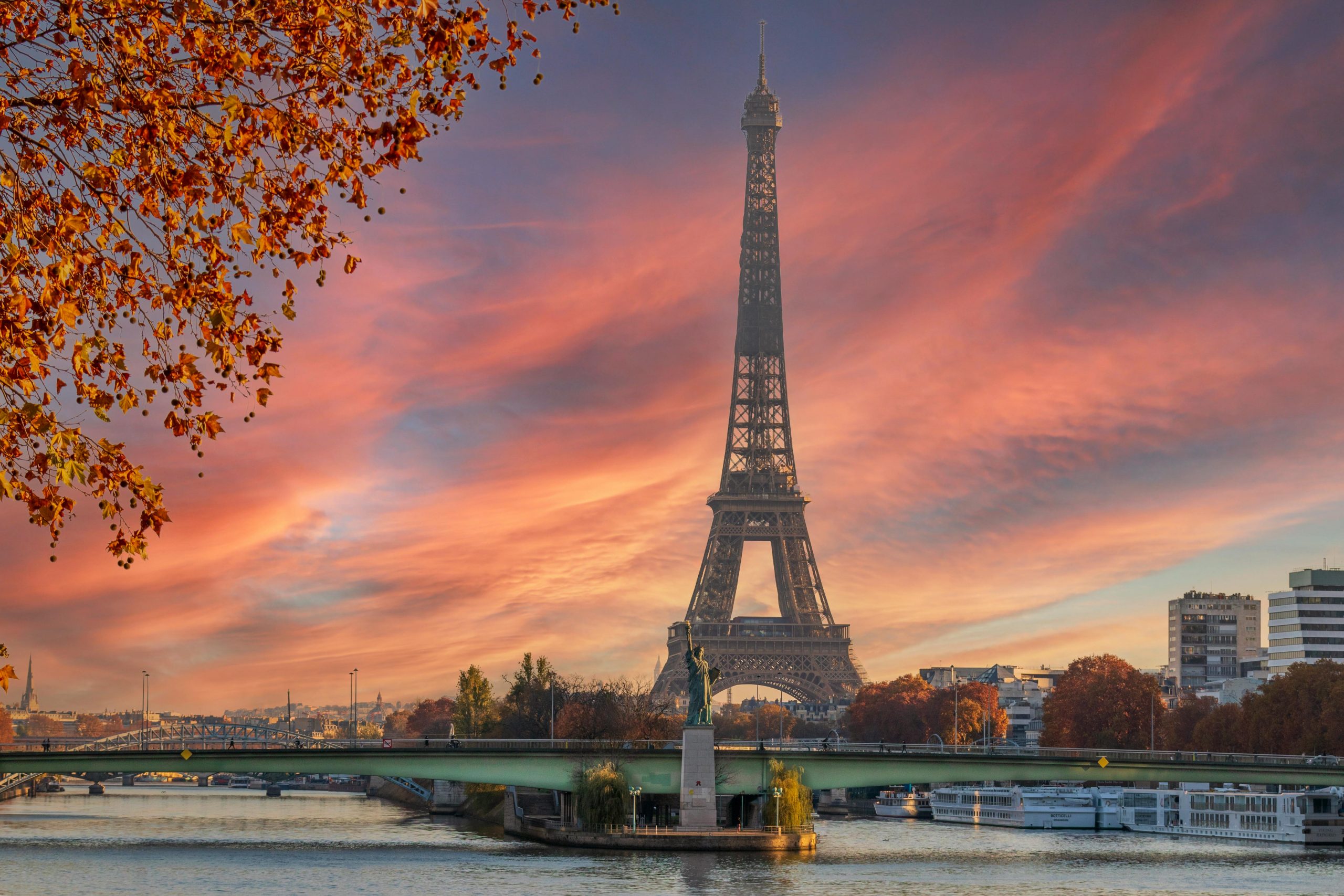
Introduction to Paris – The City of Light
Paris, famously dubbed “The City of Light,” stands as one of the world’s most enchanting and beloved travel destinations. Known for its timeless elegance, vibrant culture, and profound historical significance, Paris captivates millions of visitors each year. From iconic landmarks to world-class museums and charming neighbourhoods, the city offers a rich tapestry that appeals to every type of traveler. Whether you’re a first-time visitor or a seasoned adventurer, Paris’ allure remains unparalleled, inviting exploration and discovery at every turn. This comprehensive guide aims to introduce you to the essential aspects of Paris that will enrich your visit. You will find detailed insights into its must-see landmarks, including the Eiffel Tower, Louvre Museum, and Notre-Dame Cathedral, as well as tips on mastering the city’s extensive and efficient public transit system, the Métro. Navigating Paris is straightforward once you understand these transit options, making your travel smooth and hassle-free. In addition to practical travel logistics, knowing some basic French phrases goes a long way in enhancing your experience. We’ll cover key expressions to help you engage more meaningfully with locals and embrace the city’s cultural charm. Furthermore, Paris transforms beautifully with the seasons, so this guide includes advice on the best times to visit and seasonal highlights that showcase the city’s dynamic character year-round. Budget-conscious travelers will benefit from dedicated tips on saving money during the trip. From uncovering affordable dining spots to leveraging off-peak travel periods and avoiding common expenses, the guide offers strategies that make a Parisian experience accessible without breaking the bank. When it comes to planning your trip, finding affordable flights and accommodations is crucial. This is where AirTkt comes in. As a trusted online travel booking platform, AirTkt simplifies the search for the best deals by providing real-time fare comparisons, exclusive discounts, and 24/7 customer support. Whether you’re booking last-minute or planning ahead, AirTkt’s user-friendly tools ensure you secure the most budget-friendly options for your Paris adventure.Must-See Paris Attractions
Paris is a city where history, art, and architecture seamlessly blend, offering an endless array of landmarks to explore. Beyond the famed icons, the city also treasures lesser-known gems that enrich any travel itinerary. Here’s a detailed look at the essential Paris attractions, practical visiting advice, and some hidden delights to maximize your experience without breaking the bank.Eiffel Tower
The Eiffel Tower remains the symbol of Paris and a must-visit attraction. Standing 324 meters tall, it offers panoramic views of the city from its three levels. For the best experience, visit early in the morning or around sunset to avoid crowds and enjoy beautiful lighting. Tickets can be purchased online in advance to save time—choose from stairs access (cheaper and less crowded) or elevator rides to the summit. The Tower is open daily from 9:30 AM to 11:45 PM, with last entrance 45 minutes before closing. Getting there is convenient via the Champ de Mars/Tour Eiffel metro station on line 6 or Bir-Hakeim on line 9.Louvre Museum
The Louvre Museum is the world's largest art museum and a historic monument in Paris. Home to thousands of works including the Mona Lisa and the Venus de Milo, it requires ample time to explore. To avoid long queues, buy tickets online ahead of visit and aim for a weekday morning or late afternoon visit. The museum is open every day except Tuesdays, from 9 AM to 6 PM, with extended hours on Wednesdays and Fridays until 9:45 PM. Access is easiest via Palais Royal – Musée du Louvre metro station on line 1 or 7.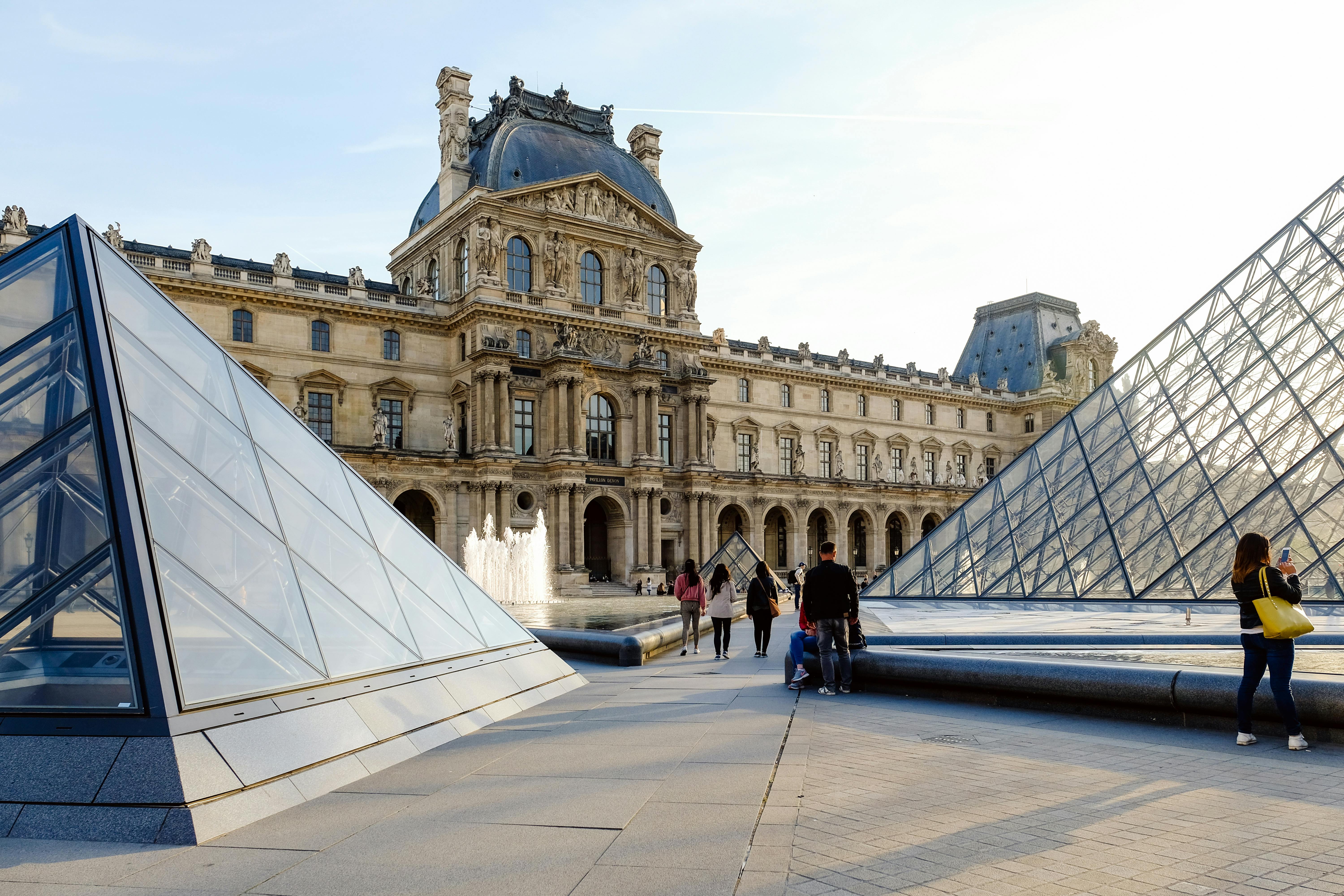
Notre-Dame Cathedral
Although Notre-Dame Cathedral underwent restoration following the 2019 fire, its façade and surrounding areas remain iconic for visitors. The cathedral is free to enter and open daily. Guided tours are available but require prior booking. The best times to visit are early mornings or late afternoons to appreciate the stunning Gothic architecture with fewer tourists. It is easily accessible by the Cité metro station on line 4.Lesser-Known Gems: Sainte-Chapelle and Montmartre
Sainte-Chapelle is a hidden treasure featuring dazzling stained-glass windows that flood the chapel with colored light, a masterpiece of medieval architecture. It’s quieter than the major landmarks, open daily from 9 AM to 5 PM, and tickets cost about €11 when purchased online. Conveniently located near Notre-Dame on Île de la Cité, plan your visit in the morning to fully appreciate the sunlight illuminating the windows. Montmartre, perched on a hill in northern Paris, offers a bohemian atmosphere with cobblestone streets, artists' studios, and the stunning Sacré-Cœur Basilica. It’s ideal for a leisurely afternoon stroll. Visiting the basilica is free, and climbing its dome costs a small fee but rewards you with incredible views over Paris. Montmartre can be reached via Abbesses metro station on line 12, but note some steep walking.Key Practical Information
| Attraction | Entry Fee | Opening Hours | Best Time to Visit | Transport Access |
|---|---|---|---|---|
| Eiffel Tower | From €10.70 (stairs), €26.80 (summit elevator) | 9:30 AM – 11:45 PM | Early morning, sunset | Champ de Mars/Tour Eiffel (Line 6), Bir-Hakeim (Line 9) |
| Louvre Museum | €17 online, free under 18 | 9 AM – 6 PM (Wed/Fri until 9:45 PM), closed Tue | Weekday mornings, late afternoons | Palais Royal – Musée du Louvre (Lines 1, 7) |
| Notre-Dame Cathedral | Free (entry to cathedral) | Daily, hours vary | Early morning, late afternoon | Cité (Line 4) |
| Sainte-Chapelle | €11 | 9 AM – 5 PM | Morning | Cité (Line 4) |
| Montmartre (Sacré-Cœur) | Basilica entry free; dome climb €8 | 6 AM – 10:30 PM (basilica) | Afternoon | Abbesses (Line 12) |
Navigating Paris with the Métro
The Paris Métro is an iconic and highly efficient subway system that serves as the backbone of the city’s public transport network. With 16 lines covering over 214 kilometers and nearly 300 stations, it offers convenient connections across Paris and to its inner suburbs. Major hubs like Châtelet-Les Halles, Gare du Nord, and Montparnasse-Bienvenüe are perfect transfer points where multiple lines intersect, making it easy to travel between attractions quickly. Lines are numbered 1 through 14, with two additional minor lines, and each one is color-coded on maps for simple navigation. Trains run every 2-3 minutes during peak hours and approximately every 5-7 minutes off-peak. The system’s density ensures you’ll rarely be far from a station when exploring the city.
Ticketing and Fare Zones
To ride the Métro, purchase single tickets (Ticket t+) or take advantage of multi-day passes like the Paris Visite card, which offers unlimited travel on Métro, buses, trams, and RER trains within selected zones. Ticket t+ costs €2.10 per ride (2024 prices) and is valid for a single trip including transfers within Métro lines, but not for the RER outside central Paris. The Métro network mainly covers fare Zones 1 and 2, central Paris areas. If traveling to airports or suburbs, such as Charles de Gaulle Airport (Zone 5) or Versailles (Zone 4), ensure you have tickets covering those zones. Paris Visite passes can be purchased for 1, 2, 3, or 5 consecutive days, with prices varying by zones covered—for instance, a 3-day pass for Zones 1-3 costs about €30, while Zones 1-5 are closer to €65. Tickets are available from ticket booths, vending machines in stations, or via apps like Bonjour RATP. Remember to validate your ticket by inserting it into the gate before boarding to avoid fines.Safety, Accessibility, and Timing Tips
Paris Métro is generally safe, with a visible presence of transit police, but standard urban vigilance is advisable, especially during crowded times when pickpocketing is more common. Avoid isolated carriages late at night and keep wallets and phones secure. Surveillance cameras are prevalent, and stations are well-lit. Accessibility is improving but not uniformly available across all lines. Many newer stations and major hubs now feature elevators and ramps for wheelchairs, but some historic stations may only be accessible via stairs. The RATP website offers updated accessibility maps to help plan routes accordingly. For a more comfortable experience, steer clear of peak hours, which typically span 8-10 AM and 5-7 PM on weekdays. Trains and platforms get very crowded, so traveling early or late in the day can make your journey more relaxed.Connecting Métro Routes to Key Attractions
Getting to Paris’ top destinations is straightforward with the Métro:- Eiffel Tower: Take Line 6 to Bir-Hakeim or Line 9 to Trocadéro for iconic views upon exit.
- Louvre Museum: Palais Royal – Musée du Louvre station on Lines 1 and 7 places you right by the pyramid.
- Notre-Dame Cathedral: Closest is the Cité station on Line 4, just a short walk from the cathedral.
- Sacré-Cœur Basilica: Take Line 2 to Anvers station, then walk or ride the funicular to the hilltop.
- Montmartre District: Also served by Line 12 at Abbesses station, known for its charming streets and cafés.
- Champs-Élysées & Arc de Triomphe: Charles de Gaulle – Étoile station is served by Lines 1, 2, and 6.
Essential French Phrases for Travelers
When visiting a French-speaking destination, knowing a handful of key phrases can dramatically improve your travel experience. Beyond convenience, these simple expressions show respect for local culture, opening doors to warmer interactions and smoother transactions. Here’s a curated list of essential French phrases across common travel scenarios, along with useful tips on pronunciation and etiquette.Common Phrases to Know
- Greetings: Bonjour (Hello / Good morning), Bonsoir (Good evening), Au revoir (Goodbye)
- Polite Interactions: S’il vous plaît (Please), Merci (Thank you), Excusez-moi (Excuse me)
- Dining: Je voudrais... (I would like…), L’addition, s'il vous plaît (The check, please), Où sont les toilettes ? (Where are the restrooms?)
- Directions: Où est… ? (Where is…?), À gauche (To the left), À droite (To the right), Tout droit (Straight ahead)
Pronunciation Tips for Respectful Communication
French pronunciation can be tricky, but aiming for a respectful attempt goes a long way. For example, “Bonjour” is pronounced roughly as “bohn-zhoor,” with a soft “j” sound similar to the “s” in “measure.” Avoid sharp or rushed tones, which may sound abrupt. Instead, speak slowly and clearly, emphasizing nasal vowels gently, as this conveys friendliness and respect.Cultural Importance of Using Basic French
Attempting the local language—even just a basic greeting or polite phrase—signals goodwill and openness. Parisians and locals in other French regions often appreciate tourists who make this effort, even if imperfect. It can transform simple transactions into conversations, sometimes yielding insider tips or more attentive service. Using French phrases, rather than defaulting immediately to English, helps you blend in and enriches your cultural immersion.Balancing Language Skills with Technology
Smartphone translation apps are invaluable backups, especially for complex queries or emergency situations. Apps like Google Translate can decipher menus, signage, and even live conversations. However, don’t rely solely on technology; investing time to memorize key phrases cultivates confidence and shows genuine respect. This combination of personal effort and digital assistance ensures a more seamless and rewarding travel experience.Seasonal Highlights and Crowd Avoidance Strategies
Paris captivates visitors year-round with its distinct seasonal charms and cultural events. Each season ushers in unique experiences, from the delicate pink hues of spring cherry blossoms gracing the city’s gardens to lively summer festivals energizing the streets with music and art. Autumn transforms Parisian parks, such as the Jardin des Tuileries and Parc Monceau, into canvases of golden, amber, and crimson leaves—perfect for leisurely strolls and photo opportunities. When winter arrives, the city sparkles with festive holiday markets, offering seasonal treats, handcrafted gifts, and warm mulled wine to keep the chill at bay. These varied seasonal highlights not only enhance Paris's ambiance but also influence visitor flows throughout the year. Understanding Paris' tourist patterns can dramatically enhance your trip experience. The city’s peak tourist season spans from late spring through early autumn, especially June to August, coinciding with school vacations and optimal weather. During this time, iconic attractions such as the Eiffel Tower, Notre-Dame, and the Louvre can become overwhelmingly crowded. Conversely, the shoulder seasons—March to May and September to November—offer milder weather alongside smaller crowds, making these months ideal for travelers seeking a more relaxed atmosphere and better sightseeing conditions. Winter, despite cooler temperatures, tends to have lower tourist volumes except around Christmas and New Year's, when festive events draw visitors to popular market areas like Les Halles and Champs-Élysées. Visiting during early December weekdays or late January through February typically means fewer tourists and shorter lines, especially at museums and historic monuments. Effective crowd avoidance strategies can transform your Paris visit from stressful to serene. For instance, the Louvre Museum, notorious for its long queues, offers a practical insider tip: visit during Wednesday or Friday evenings when the museum remains open late until 9:45 PM. These late openings allow visitors to enjoy masterpieces like the Mona Lisa and Winged Victory with significantly fewer people around. Booking timed-entry tickets in advance also minimizes wait times and ensures smoother access. Similarly, arriving early in the day at popular sites or scheduling visits midweek rather than weekends can help you steer clear of peak crowds. Another savvy approach is to explore lesser-known yet equally charming neighborhoods and attractions during busy periods. Instead of clustering around the centralized hotspots, areas like Canal Saint-Martin, Parc des Buttes-Chaumont, or the quiet streets of Montmartre provide authentic Parisian vibes with fewer tourists.
Budget-Friendly Tips for Enjoying Paris
Paris is often seen as an expensive destination, but with some savvy planning and smart choices, you can experience the City of Light without overspending. From dining to transportation and attractions, here are practical tips to help you stretch your budget while savoring Parisian charm.Affordable Dining: Picnic by the Seine
One of the most delightful and cost-effective ways to enjoy Parisian cuisine is by having a picnic along the Seine River. Skip pricey cafés and bakeries inside tourist areas, and instead pick up fresh bread, cheese, charcuterie, and seasonal fruits from local markets like Marché Bastille or Marché d'Aligre. Many grocery stores and boulangeries also offer ready-made sandwiches and pastries at reasonable prices. A picnic not only saves money but lets you soak in iconic views of Notre-Dame, the Eiffel Tower, or Île Saint-Louis in a relaxed atmosphere. Typical grocery picnic costs range between €8-15 per person, compared to dining at cafés where a simple dish can easily start around €15-20. Opting for this approach frees up funds for exploring more of the city.Cost-Effective Transportation Options
Getting around Paris doesn’t have to break the bank. The city boasts a comprehensive public transport system including metro, buses, and trams. Consider buying a Paris Visite travel pass, which covers unlimited travel on public transport within chosen zones. A 3-day pass for central zones typically costs around €26, much cheaper than buying multiple single tickets. Walking is also an excellent, free option to discover neighborhoods like Le Marais, Montmartre, or Saint-Germain-des-Prés. For visitors keen on cycling, the Vélib’ bike-sharing system offers affordable short-term rentals starting at €1.70 for 30 minutes. This is ideal for quick trips while enjoying Paris’s bike-friendly lanes and parks.Free and Low-Cost Attractions
Paris offers numerous attractions with either free entry or reduced admission fees. Many museums, including the Musée d’Art Moderne and Petit Palais, have free permanent collections. Entry to the Louvre and Musée d’Orsay is free on the first Sunday of each month. Exploring iconic landmarks like the Sacré-Cœur Basilica or strolling through charming public gardens such as Luxembourg Gardens or Parc des Buttes-Chaumont costs nothing. Other low-cost activities include climbing the Arc de Triomphe (€13) or taking a Seine river cruise for around €15-17, which can provide remarkable perspectives on the city's stunning architecture without spending a fortune.Using AirTkt to Maximize Your Travel Budget
When planning your Paris trip, AirTkt is your go-to platform for securing affordable flights, hotels, and travel packages. With advanced fare comparison technology, AirTkt helps you find the best deals available from multiple airlines and accommodation providers in real-time. Whether booking months in advance or snagging last-minute discounts, the platform streamlines the process to save you both time and money. AirTkt's 24/7 customer support ensures you can book with confidence, minimizing costly booking mistakes. Look out for exclusive bundled deals that combine flights with hotels or car rentals, often reducing overall expenses significantly.Budget Planning: Typical Costs to Expect
| Category | Typical Price Range | Notes |
|---|---|---|
| Meal (Picnic or Street Food) | €8 - €15 per person | Baguette, cheese, fresh fruit, pastries |
| Meal (Café or Casual Dining) | €15 - €25 per person | Main dishes and a drink |
| Paris Visite Transport Pass (3 days) | ~€26 | Unlimited metro, bus, tram in central zones |
| Vélib’ Bike Rental | Starting at €1.70 per 30 mins | Affordable urban bike-sharing |
| Museum Entry Fees | Free - €15 | Many free days or discounted rates |