Volunteer Travel: Making a Difference Globally
andy_ett ·
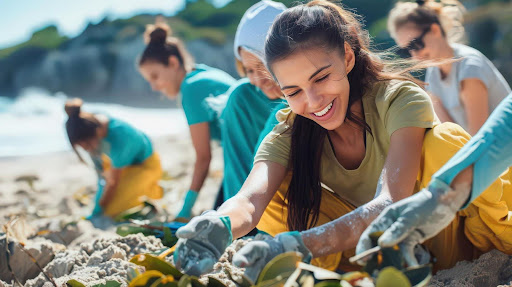 Volunteer travel, or “voluntourism,” is a unique way to combine the adventure of exploring new destinations with the fulfillment of giving back to communities in need. It offers travelers the chance to immerse themselves in a local culture, contribute to meaningful projects, and leave a lasting impact on the places they visit. Whether building schools, protecting wildlife, or teaching English, volunteer travel transforms the typical vacation into an enriching, life-changing experience. Here's an in-depth look at why volunteer travel matters, the types of volunteer opportunities abroad, and how it can make a difference globally.
Why Volunteer Travel Matters
Travel for a cause offers a chance to go beyond traditional sightseeing. It allows travelers to connect with a community on a deeper level, work towards solving local issues, and contribute to sustainable development efforts. For many, the experience provides a greater sense of purpose and a deeper connection to the destinations they visit.
In an increasingly globalized world, volunteer travel encourages cross-cultural understanding and cooperation. It creates opportunities for travelers to learn firsthand about the challenges faced by different communities and to share knowledge, skills, and resources. By volunteering, travelers become part of a global network of individuals committed to making a positive impact.
The Types of Volunteer Opportunities Abroad
Volunteer opportunities abroad are incredibly diverse, allowing travelers to choose projects that align with their passions and skills. Here are some common areas where volunteers can make a difference:
Volunteer travel, or “voluntourism,” is a unique way to combine the adventure of exploring new destinations with the fulfillment of giving back to communities in need. It offers travelers the chance to immerse themselves in a local culture, contribute to meaningful projects, and leave a lasting impact on the places they visit. Whether building schools, protecting wildlife, or teaching English, volunteer travel transforms the typical vacation into an enriching, life-changing experience. Here's an in-depth look at why volunteer travel matters, the types of volunteer opportunities abroad, and how it can make a difference globally.
Why Volunteer Travel Matters
Travel for a cause offers a chance to go beyond traditional sightseeing. It allows travelers to connect with a community on a deeper level, work towards solving local issues, and contribute to sustainable development efforts. For many, the experience provides a greater sense of purpose and a deeper connection to the destinations they visit.
In an increasingly globalized world, volunteer travel encourages cross-cultural understanding and cooperation. It creates opportunities for travelers to learn firsthand about the challenges faced by different communities and to share knowledge, skills, and resources. By volunteering, travelers become part of a global network of individuals committed to making a positive impact.
The Types of Volunteer Opportunities Abroad
Volunteer opportunities abroad are incredibly diverse, allowing travelers to choose projects that align with their passions and skills. Here are some common areas where volunteers can make a difference:
- Community Development Community development projects focus on improving the infrastructure, health, and education of underserved communities. Volunteers can participate in building schools, homes, and clean water systems, or contribute to health and sanitation programs. These projects are often found in rural areas or developing countries where basic resources are limited. Example: In countries like Nepal or Tanzania, volunteers may assist in constructing schools or community centers, providing access to education and better living conditions for local residents.
- Environmental Conservation For eco-conscious travelers, environmental conservation projects offer a chance to protect and preserve natural ecosystems. Volunteers can engage in activities like reforestation, wildlife monitoring, and marine conservation. These programs are particularly important in areas affected by deforestation, climate change, and habitat destruction. Example: In Costa Rica, volunteers can work with sea turtle conservation programs, helping to protect endangered species and their habitats.
- Education and Teaching Volunteering while traveling as a teacher is one of the most impactful ways to contribute to a community. Volunteers can teach English, math, or science in underfunded schools or offer vocational training to adults. These programs help increase literacy, provide essential skills, and open doors to future opportunities for local residents. Example: In countries like Cambodia or Peru, volunteers can teach English to children and adults, helping them improve their language skills and opening up opportunities for better jobs and economic mobility.
- Healthcare Healthcare volunteering is ideal for medical professionals or students who want to use their skills to make a difference abroad. Volunteers can participate in medical camps, public health outreach, or work in hospitals and clinics in underserved regions. These programs address the critical need for healthcare services in areas where resources are scarce. Example: In rural parts of India or Ghana, healthcare volunteers may assist in running mobile health clinics, providing much-needed medical care to remote communities.
- Wildlife Protection For animal lovers, volunteering with wildlife protection programs offers the chance to work closely with endangered species and contribute to their conservation. These programs often focus on rescuing, rehabilitating, and releasing animals back into the wild, as well as educating the public on the importance of wildlife conservation. Example: In South Africa, volunteers can work at wildlife sanctuaries, caring for injured or orphaned animals like lions, elephants, or cheetahs.
- Cultural Immersion Unlike traditional travel, which often involves a superficial view of a destination, volunteer travel allows for full cultural immersion. Volunteers live and work alongside locals, learning about their customs, language, and way of life. This deep level of engagement fosters meaningful relationships and a more profound understanding of the host culture. How voluntourism enhances cultural understanding is essential for building global citizens.
- Personal Growth Volunteering abroad challenges individuals to step outside of their comfort zones, adapt to new environments, and face real-world problems. The experience often leads to increased self-awareness, problem-solving skills, and resilience. Volunteers return home with a broader perspective on the world and their role in it.
- Skill Development Many volunteer programs provide opportunities for volunteers to develop new skills or hone existing ones. Whether it’s learning construction techniques while building homes, gaining teaching experience in a classroom, or expanding one’s knowledge of conservation practices, volunteer travel offers valuable hands-on learning experiences. Benefits of combining travel and volunteering are often life-changing.
- Building Global Connections Volunteer travel fosters a sense of global citizenship. Volunteers form connections not only with the communities they serve but also with fellow volunteers from around the world. These relationships often result in long-term friendships and professional networks that cross borders and cultures.
- Choose Reputable Organizations Select volunteer organizations that have a proven track record of working ethically and sustainably with local communities. Avoid programs that exploit volunteers or local resources for profit. Research organizations thoroughly and ensure that their values align with the principles of responsible travel.
- Support Long-Term Projects Opt for volunteer opportunities that focus on sustainable, long-term solutions rather than quick fixes. Projects that prioritize education, infrastructure, and capacity-building tend to have a more lasting impact on communities. Top voluntourism programs around the world often emphasize these principles.
- Respect Local Cultures and Customs As a volunteer, it’s essential to respect the traditions, beliefs, and customs of the host community. Be open to learning from the locals and approach the experience with humility and cultural sensitivity. Top ethical travel tips include understanding the local context before arriving.
- Leave No Trace For environmental and wildlife conservation projects, it’s important to follow best practices for minimizing your ecological footprint. Ensure that your volunteer work doesn’t disrupt local ecosystems or contribute to environmental degradation.
- What is voluntourism and why should you consider it?
- How to choose the best volunteer travel opportunities?
- How to prepare for a volunteer trip abroad?
- Voluntourism vs. traditional tourism
- Voluntourism experiences: traveling with a purpose