New Year Travel: Booking Strategy and Best Destinations
Lukas ·

Introduction to Strategic Planning for New Year Travel
As the calendar flips to December, travel demand spikes dramatically, with countless travelers eager to welcome the New Year from far-flung destinations. This surge causes prices to soar, and airports become bustling hubs filled with excited vacationers. Flights during this peak period often come with premium rates, and last-minute bookings can easily lead to inflated costs, limited availability, and heightened stress. Without a carefully crafted travel plan, it’s easy to get caught off guard by these challenges. Many travelers face the frustration of scrambling for tickets just days before departure, only to discover that prices have doubled or that preferred routes are sold out. Booking too late or without clear strategy can also mean non-refundable fares, inconvenient flight times, or long layovers. Additionally, crowded airports can add to the hassle, causing delays and longer wait times at security and check-in counters. That’s why early, strategic planning is essential for savvy New Year travelers. Taking advantage of optimal booking windows not only unlocks better prices but also allows for greater flexibility in choosing flights and accommodations. Understanding when to book, how to avoid peak-time crowds, and identifying destinations that offer the best value can transform a stressful trip into a memorable adventure. In this article, we’ll explore the key strategies every traveler should know for navigating the New Year travel surge. You’ll learn about the best times to secure tickets, the typical price premiums to expect, and alternative travel dates that can reduce costs. We’ll also share insider tips for avoiding congested airports, plus tailored advice for families and couples seeking the perfect getaway. Whether you’re looking for budget-friendly options or a stress-free travel experience, these insights from AirTtkt will empower you to plan your New Year trip smarter and save money.
Optimal Booking Timeline for New Year Travel
Planning your New Year travels requires careful timing to secure the best flight deals without sacrificing availability. For most travelers, the ideal booking window falls between two to four months before departure. This period strikes a balance between fare affordability and seat availability, particularly for trips around the holiday season when demand spikes dramatically. Airlines employ advance purchase requirements designed to encourage early booking and manage seat inventory for peak travel dates like New Year’s Eve and New Year’s Day. Typically, these policies mandate that tickets must be bought at least 7 to 21 days in advance, but the sweet spot for optimal pricing sits well before that minimum threshold. Booking within two to four months provides early access to standard economy seats and promotional fares before airlines transition into peak-season pricing models. Failure to book within this timeframe often leads to higher prices and fewer seat options. Airlines apply dynamic pricing algorithms that increase fares as the departure date nears, reflecting remaining seat scarcity and heightened traveler demand. A last-minute purchaser can expect to pay multiples of standard rates or be forced to choose inconvenient flight times or connecting routes. For instance, data gathered from the U.S. Department of Transportation (DOT) airfare trends for key hubs such as New York (JFK), Chicago (ORD), and Los Angeles (LAX) consistently show lowest average fares booked three months in advance. The charts below illustrate that as booking moves closer to departure—particularly within 30 days—average New Year round-trip prices can surge by 40% or more, with seat availability dropping sharply.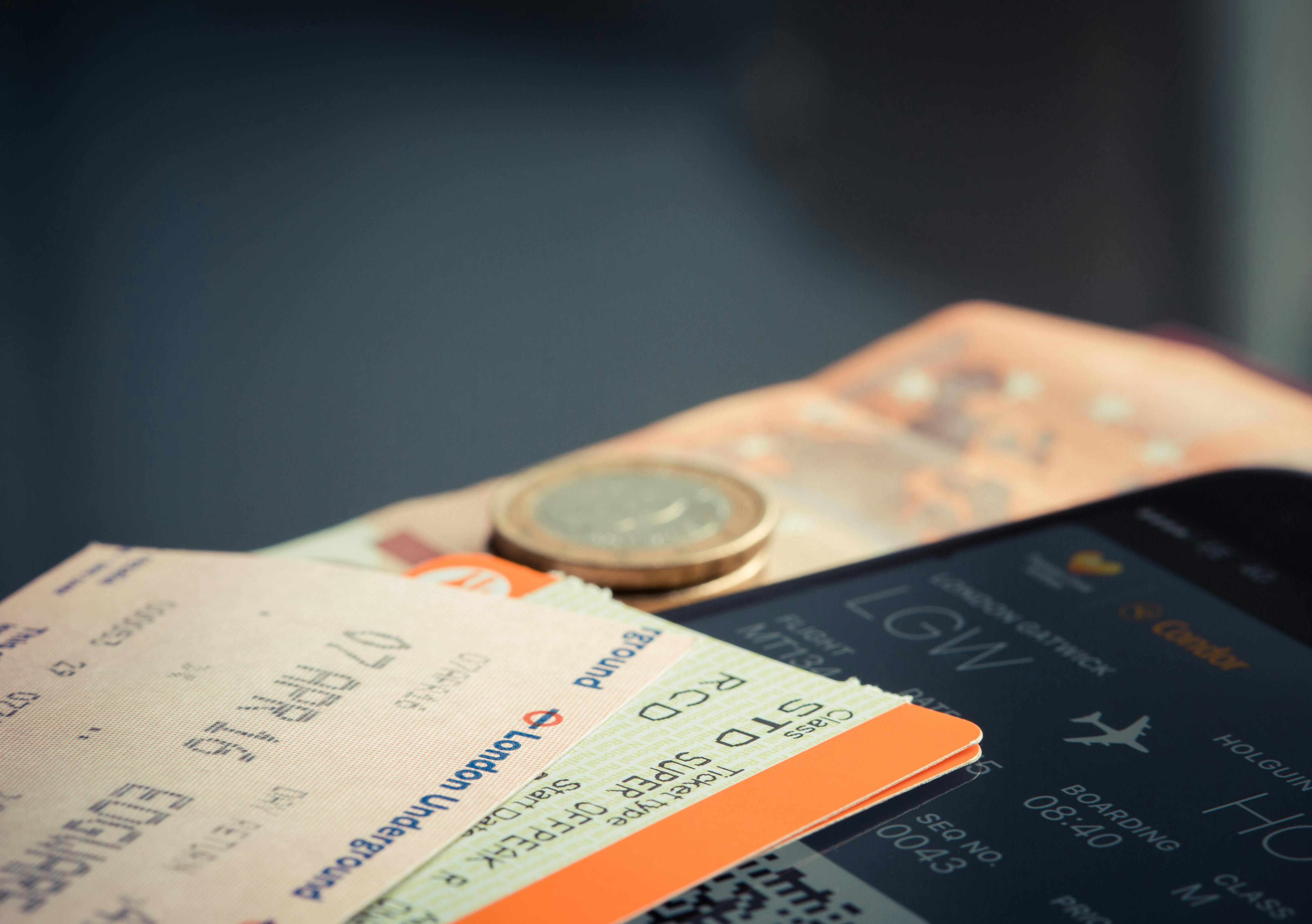
| Booking Window | New York (JFK) | Chicago (ORD) | Los Angeles (LAX) |
|---|---|---|---|
| 4 Months Ahead | $280 | $255 | $295 |
| 3 Months Ahead | $310 | $275 | $320 |
| 1 Month Ahead | $400 | $385 | $420 |
| 2 Weeks Ahead | $520 | $480 | $535 |
Understanding New Year Price Premiums
As the New Year approaches, the surge in travel demand causes airfare prices to spike dramatically. During this peak period, travelers can expect to see ticket prices increase by anywhere from 30% to over 80%, depending on various factors. These price premiums stem primarily from intense demand, limited flight capacity, and additional airport-related fees that airlines pass on to passengers. Understanding the mechanics behind these increases can empower you to make smarter booking choices. First, the influx of travelers eager to celebrate the holidays or return home puts extreme pressure on available flight seats. Airlines operate with a constrained number of flights and seating options, especially around December 29 through January 3, which reduces supply while demand soars. This scarcity naturally drives prices upward, a basic principle of supply and demand economics. On top of that, airports often impose congestion fees during peak holiday periods to manage heavier passenger loads. These fees get incorporated into ticket prices, further inflating the final cost. Price premiums are not uniformly distributed across all fare classes. Economy seats, the most common choice, typically experience marked increases—often in the 30% to 50% range—because they are the most price-sensitive segment. Premium economy fares see larger hikes, sometimes reaching up to 65%, reflecting their appeal to travelers wanting extra comfort without the full business class price tag. Business class tickets, which cater to corporate or luxury travelers, can surge by more than 80% during New Year peak travel. Airlines justify these higher premiums due to limited availability and a clientele less sensitive to price hikes during holiday travel.| Fare Class | Typical Price Increase | Reason for Premium |
|---|---|---|
| Economy | 30% - 50% | High volume demand; price-sensitive passengers |
| Premium Economy | 45% - 65% | Limited availability; desire for comfort at moderate cost |
| Business Class | 70% - 85%+ | Scarce seats; luxury and corporate clientele |
Best Value Destinations for New Year Travel
Navigating peak New Year travel without breaking the bank might seem daunting, but with some strategic choices, you can find exceptional value in destinations less saturated by tourists or extravagant price hikes. Below, we explore budget-friendly domestic locations, international spots with moderate price inflation, and up-and-coming festive havens that combine affordability with memorable experiences.Domestic Destinations That Avoid Crowded Hubs
While major cities like New York and Los Angeles attract massive crowds (and correspondingly high prices) during the New Year, several smaller domestic destinations offer delightful celebrations without the inflated costs. Consider places like Asheville, North Carolina, known for its cozy mountain charm and vibrant downtown festivities. Asheville’s moderate winter weather averages highs around 45°F (7°C), comfortable for exploring local craft breweries and rooftop events. Another affordable alternative is San Antonio, Texas, which boasts a temperate climate, averaging 65°F (18°C) in December and January. The city’s famous River Walk hosts fireworks and light displays along the riverside, creating a festive atmosphere at a fraction of the price of larger urban centers. Sample Itinerary: In Asheville, spend your New Year's Day hiking the Blue Ridge Parkway, followed by an evening celebrating at Pack Square with live music and local cuisine.International Destinations With Moderate Seasonal Price Surges
For travelers looking beyond the U.S. borders, some international locations maintain reasonable prices throughout the holiday season. Lisbon, Portugal, for example, blends festive charm with affordable accommodation and dining. The city enjoys mild weather in winter, typically around 55°F (13°C), and hosts lively street parties with fireworks at Praça do Comércio. Meanwhile, Mexico’s Mérida offers rich cultural celebrations with less price inflation compared to Cancun or Mexico City. Average temperatures hover near 75°F (24°C), ideal for outdoor festivities. Visitors can experience local traditions, live music, and regional cuisine without premium costs that usually accompany peak holiday travel. Sample Itinerary: In Lisbon, begin with historic tram tours and end your night at the riverside New Year's Eve event, then visit Belém the next day to sample pastries and visit museums.Emerging and Less Crowded New Year Vacation Spots
If you prefer to avoid the crowds altogether, consider emerging destinations gaining popularity for their unique celebrations without the trek of established party capitals. For instance, Tbilisi, Georgia, has been spotlighted for its welcoming atmosphere and vibrant street festivals. With winter temperatures around 40°F (4°C), visitors can enjoy cozy wine bars and historic architecture while engaging with local customs. Similarly, the Canary Islands (Spain) offer mild winter weather, about 65°F (18°C), beautiful landscapes, and festive events in quieter towns like La Palma compared to Tenerife. These islands provide an excellent alternative to busier Mediterranean hotspots. Sample Itinerary: In Tbilisi, start the year exploring the Old Town and sulfur baths, accentuating your celebration with a traditional Supra feast featuring Georgian wine and dance.Key Considerations: Weather, Accessibility, and Events
- Weather: Choosing destinations with milder climates reduces risk of weather-related disruptions and allows for outdoor celebrations.
- Accessibility: Opt for destinations with good flight connectivity but fewer crowds to find better airfare deals via platforms like AirTtkt.
- Events: Prioritize places with unique, well-publicized New Year events that offer local flavor—street festivals, fireworks, traditional ceremonies—to enrich your experience while keeping costs in check.
Crowd Avoidance and Alternative Travel Dates
When planning your next trip, choosing the right travel dates can make a substantial difference in both the cost and comfort of your journey. Traveling mid-week or immediately after peak holiday periods like the New Year rush significantly reduces exposure to airport crowds and high airfare. Mid-week flights, particularly on Tuesdays and Wednesdays, tend to see lower passenger volumes because most business travelers depart early in the week, and weekend vacationers have already arrived or departed. This pattern opens an opportunity to enjoy a quieter airport experience and often more affordable tickets. Even small shifts in travel dates can yield surprisingly large savings. For example, departing a day earlier or later than a peak travel date can reduce fares by hundreds of dollars, particularly during high-demand seasons. Airlines adjust prices based on projected load and competition, so flexibility with your dates enables you to capitalize on these fluctuations. This is where leveraging fare comparison tools becomes invaluable. AirTtkt provides an excellent platform that supports flexible date searching, allowing travelers to compare prices across a range of departure and return days with ease. These tools display fare calendars or price graphs so you can quickly identify the cheapest days to fly. By experimenting with different combinations, you can avoid paying premium prices associated with the highest-demand travel days.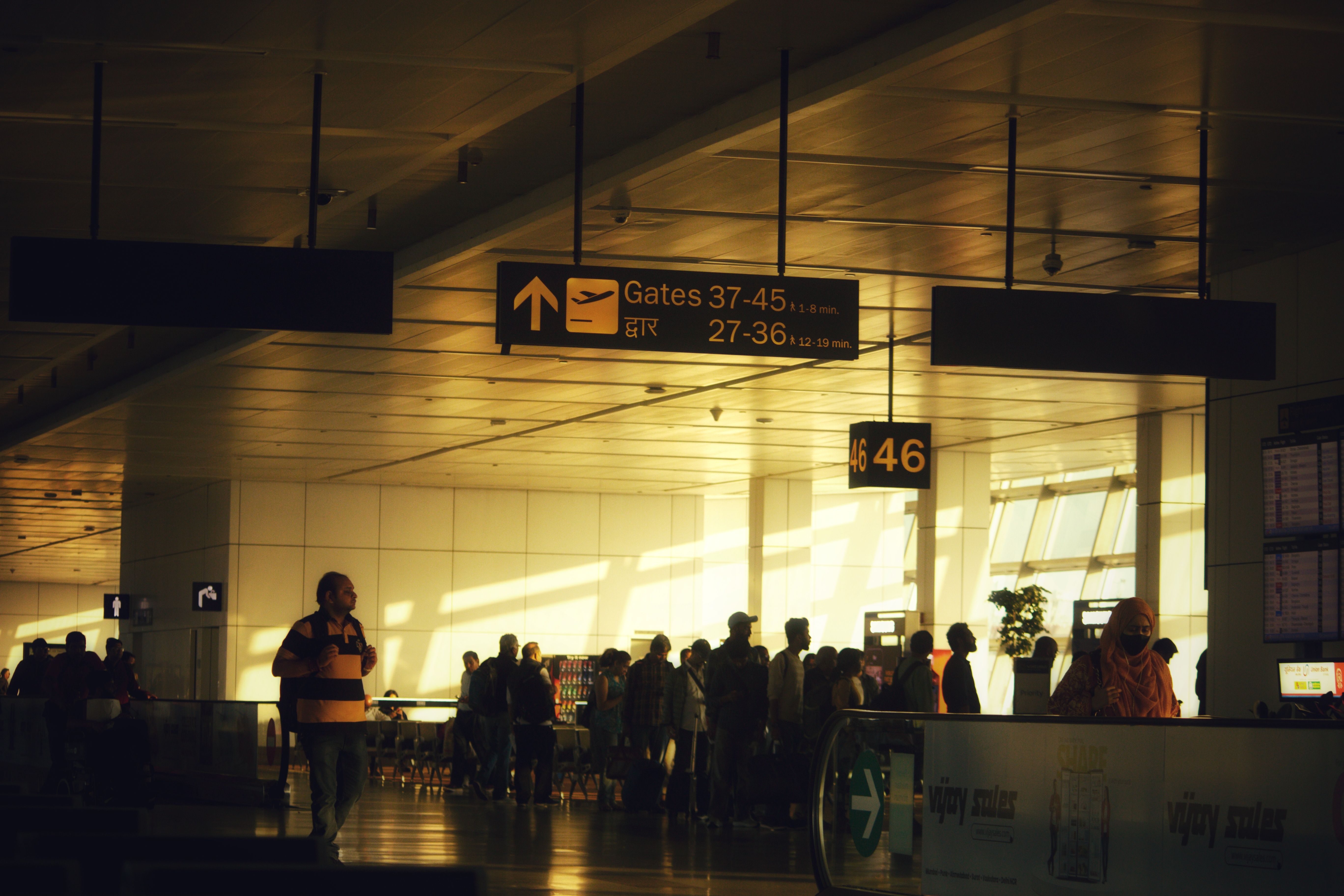
- Opt for flights departing mid-week, preferably Tuesday or Wednesday, to minimize crowds and maximize savings.
- Use AirTtkt's fare comparison tools to explore flexible date options and identify the cheapest travel windows.
- Consider early morning (before 7 am) or late evening (after 7 pm) flights to avoid peak airport congestion.
- Avoid Friday and Sunday travel if possible, as these days tend to be the busiest and most expensive.
- Schedule trips after major holidays to take advantage of reduced demand and more comfortable travel conditions.